
Why Regular Servicing of Pumps, Valves & Controls Saves Costs in the Long Run
- 8 Oct 2025
- beegee
In industries where water, fluids, or gases are constantly in motion—such as manufacturing, construction, and residential water systems—pumps, valves, and controls play a vital role in ensuring smooth and efficient operation. These components often work continuously under high pressure, and even minor wear and tear can affect performance over time.
While it may be tempting to delay maintenance to save short-term costs, regular servicing of pumps, valves, and controls is one of the smartest financial decisions any facility can make. Here’s why preventive maintenance not only keeps operations running smoothly but also saves significant costs in the long run.
Prevents Unexpected Breakdowns
The most immediate benefit of regular servicing is preventing sudden breakdowns. When pumps and valves are neglected, small issues—like seal leaks, bearing wear, or corrosion—can quickly turn into major mechanical failures.
Unplanned equipment failures often result in:
Expensive emergency repair costs
Unexpected downtime
Disruption of operations
Potential damage to other connected systems
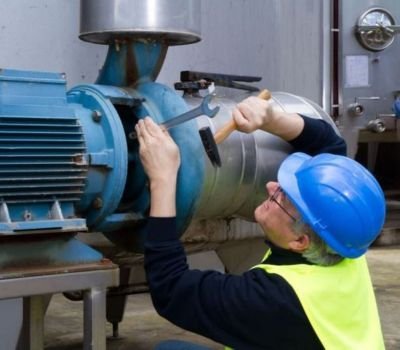
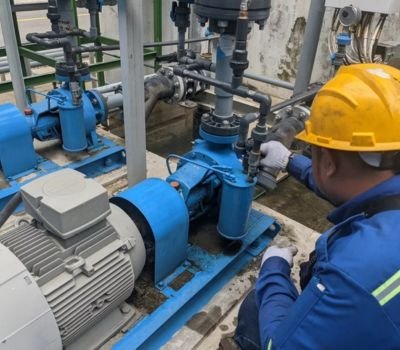
Routine inspections help detect and resolve these issues early, minimizing costly downtime and avoiding last-minute emergency repairs.
Increases Equipment Lifespan
Every pump or valve comes with an expected operational life. However, with proper maintenance, that lifespan can be extended by years. Regular servicing ensures that parts are lubricated, balanced, and calibrated correctly. It also keeps contaminants and moisture away—two of the main causes of early system degradation.
Over time, this preventive approach means fewer replacements and less capital expenditure on new equipment. Simply put, a well-maintained system lasts longer and performs better.
Improves Energy Efficiency
Even a slightly misaligned pump or clogged valve can make your system work harder, increasing energy consumption. Inefficient performance doesn’t just strain the equipment—it strains your budget.
Routine maintenance ensures:
Pumps are operating at the correct pressure and flow rate
Valves are sealed properly
Control systems are calibrated accurately
When equipment runs efficiently, it consumes less electricity or fuel, directly reducing energy costs. Over time, these savings can be substantial, especially in large-scale operations.
Reduces Operational and Resource Waste
Leaks, pressure drops, or flow inconsistencies waste not only energy but also water or other valuable fluids being pumped. For industries like manufacturing or water treatment, these losses can be significant.
By maintaining valves and controls, you prevent unnecessary waste and ensure resources are used efficiently. This not only cuts costs but also supports sustainability goals—a growing priority for modern businesses.
Enhances Safety and Reliability
Faulty pumps or control systems can cause operational hazards, especially in high-pressure or chemical environments. Regular servicing ensures that all safety valves, pressure gauges, and control units function correctly, reducing the risk of accidents.
A well-maintained system is also more reliable, providing consistent performance without unexpected interruptions—something clients and stakeholders highly value.
Maintains Compliance and Warranty Coverage
For most industrial systems, manufacturers require regular maintenance to keep warranties valid. Failing to follow these schedules can void warranty protection and lead to out-of-pocket repair expenses.
Additionally, many industries have compliance requirements for equipment inspection and safety testing. Routine servicing helps meet these standards, avoiding fines or legal issues.
Long-Term Financial Savings
When you compare the costs of preventive maintenance vs. emergency repairs, the difference is striking. Preventive maintenance involves smaller, predictable expenses, while breakdowns often lead to large, unpredictable costs that include repair labor, replacement parts, and production losses.
By investing in regular servicing, you create a stable maintenance budget and avoid the financial shocks that come with sudden equipment failure.
Conclusion
Regular servicing of pumps, valves, and controls is far more than routine upkeep—it’s a long-term cost-saving strategy. It keeps systems running at peak performance, reduces energy consumption, prevents expensive breakdowns, and extends the lifespan of critical equipment.

